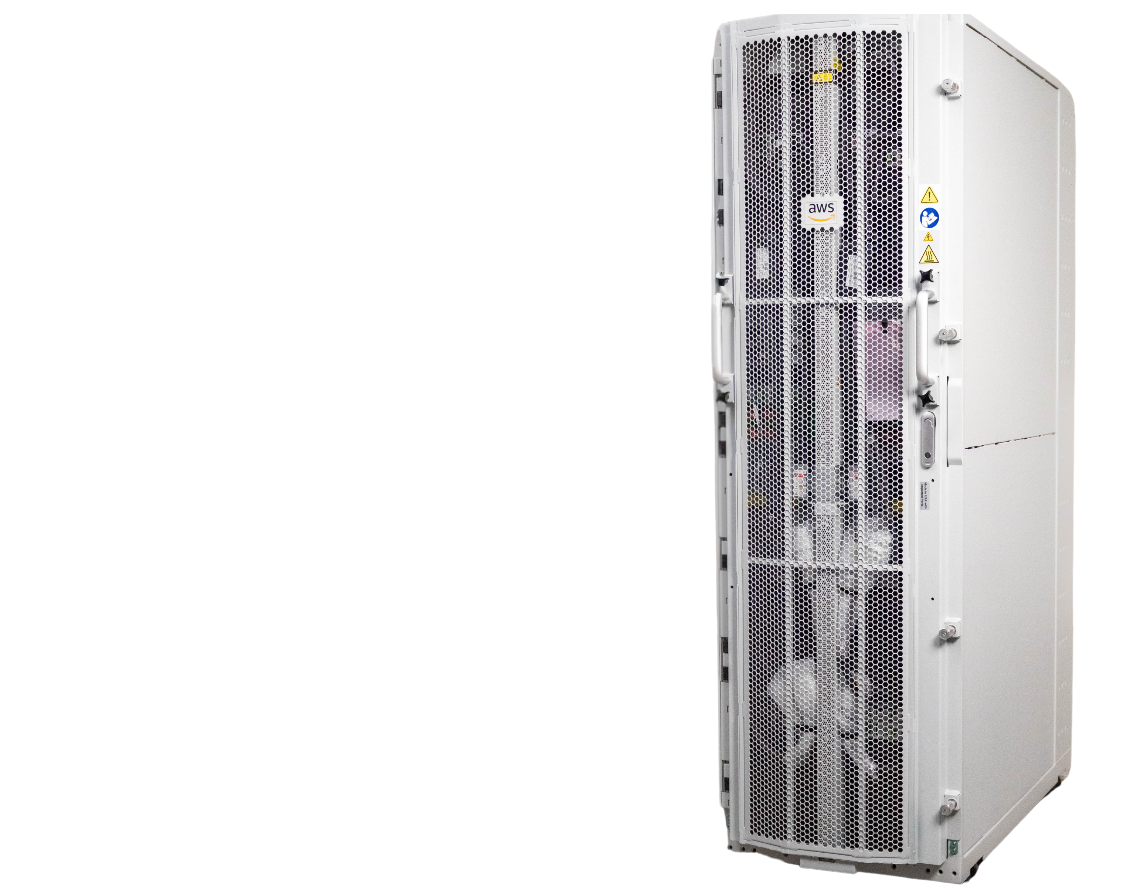
AWS says its dramatically overhauled, next-gen“Outposts” racks are now available globally – five months after taking them to general availability (GA) but initially only shipping them across the US and Canada.
Second generation Outposts racks can now be shipped to 52 more countries including Brazil, Egypt, EU countries, Israel, and the UK.
AWS touts their capabilities for the likes of “game servers for multi-player online games, customer transaction data, medical records, industrial and manufacturing control systems, telecom Business Support Systems (BSS), and edge inference of a variety of machine learning (ML) models.”
AWS Outposts, for the uninitiated, is a “fully managed service that extends AWS infrastructure, services, APIs, and tools to customer premises” – in short, it’s AWS hardware (and yes, it needs to be AWS-shipped hardware) and software, but in your co-lo or server room.
The hyperscaler says its second-generation Outposts racks are 40% faster and come with a host of networking and other improvement. Launching them initially in April 2025, it said that they support Outposts-specific EC2 instances (e.g. Bmn-sf2e and Bmn-cx2) with accelerated networking, designed for ultra-low latency and throughput-intensive workloads.
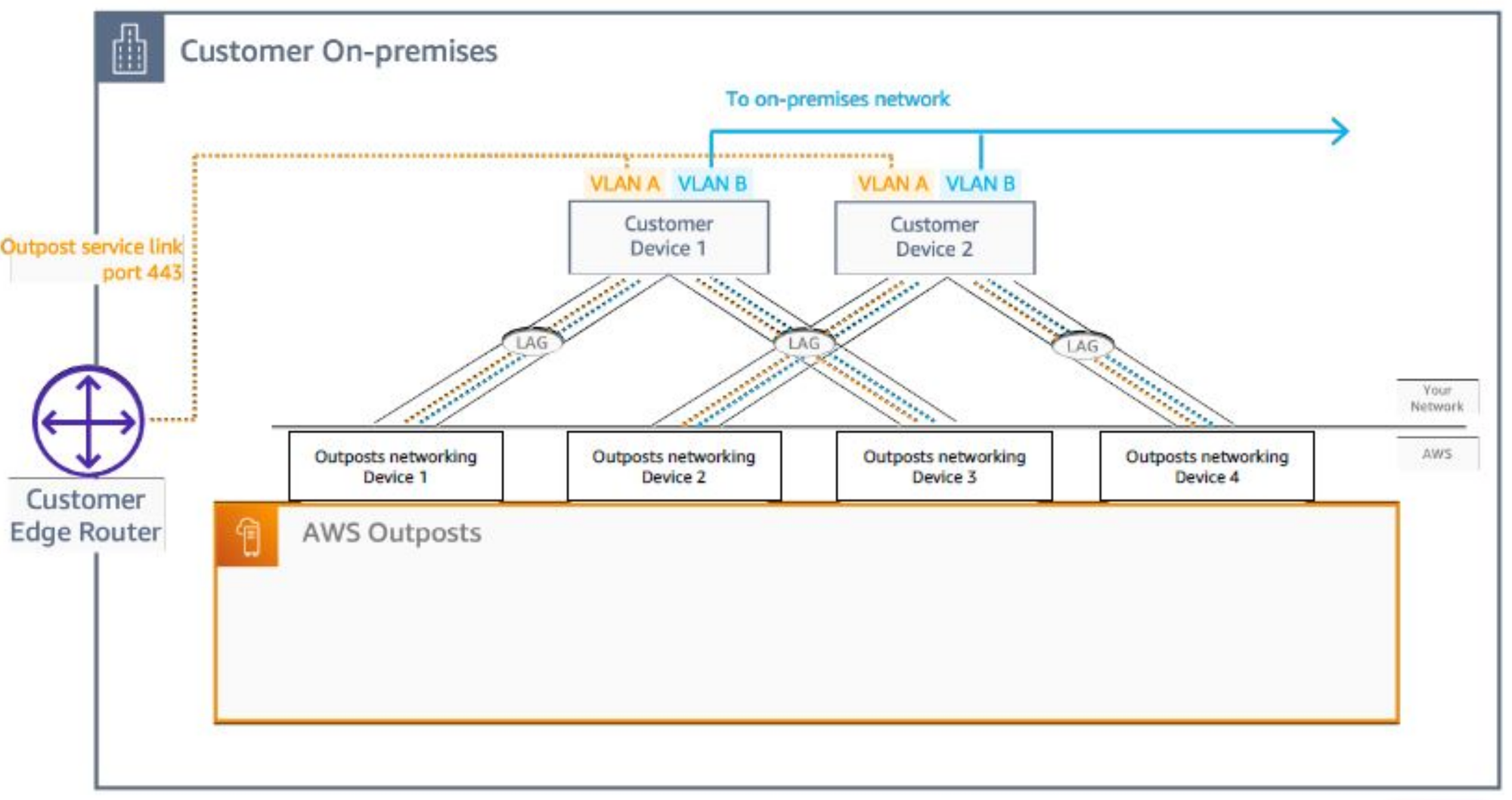
An Outposts network rack includes four physical networking devices, which need to be connected to two or four upstream customer devices with a minimum of four physical links (one per networking device).
“These bare metal instances feature specialized network accelerator cards directly connected to top-of-rack (TOR) switches, ideally suited for workloads such as financial exchanges, real-time market data distribution, telecom 5G core, and media distribution” it added – the sf2e instances feature AMD Solarflare X2522 network accelerators tied to TOR switches.
Outposts still need a parent AWS network. They can be hooked up to one via an AWS Direct Connect private connection, a public virtual interface, or the public Internet. EBS snapshots of EBS Volumes on Outposts racks are stored by default on Amazon S3 in the Region – but if the rack is provisioned with Amazon S3 on Outposts snapshots can be stored locally.
AWS says that users can also run managed Microsoft SQL Server, MySQL, and PostgreSQL databases on premises for low latency workloads that need to be run in close proximity to on-premises data and applications – with the benefit (don’t hate) of still using the AWS console/CLI/APIs et al.
An FAQ shows that second-generation Outposts racks need 10-30 kVA and an Outposts network rack needs 8.89 kVA. Second-generation Outposts racks support 10/40/100 Gbps uplinks, and need space for two 42U racks.
You’ll need to have Enterprise Support or Enterprise On-Ramp Support to deploy these, AWS said. (That includes 24x7 remote support within 15 minutes or within 30 minutes depending on the Support plan selected.)
When it comes to managing those EC2 instances and network switches, that’s a “shared responsibility” which tends to mean its… yours. On the customer side this can be handled through in-house IT, AWS Professional Services, AWS Managed Services, or third-party service providers.