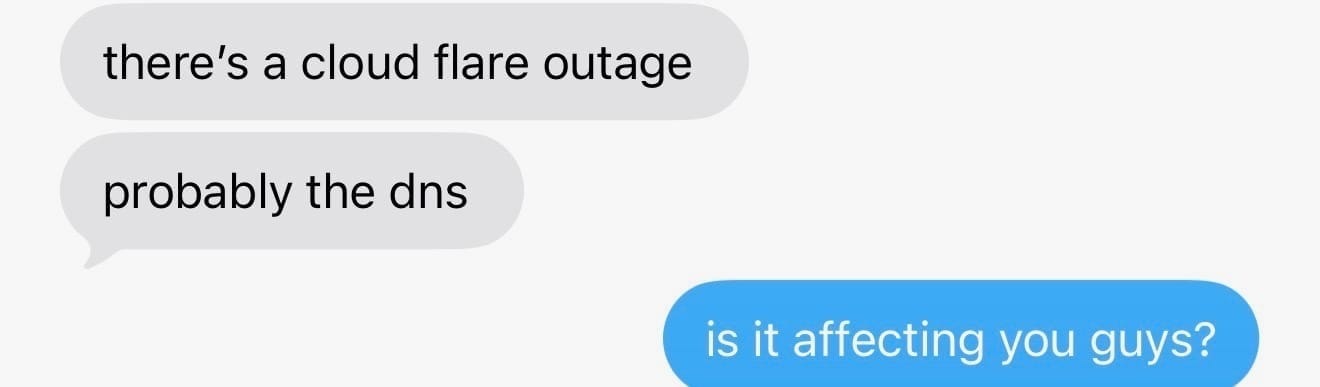
Like many others, yesterday I woke up to the same approximate text message from my wife, a workout buddy, a classical musician, and the spouse of a colleague who works in retail:
Just like AI datacenters, it seems clear that the foundations of the internet have entered the public consciousness. What’s next, BGP jokes at the coffee shop? Judging by the importance of the internet, and the technology it enables us to use throughout our lives, I wouldn’t be surprised.
“I'd tell you a joke about BGP, but your peers might not get it.”
As an internet infrastructure junkie and career operator, I’m constantly amazed that the internet works as well as it does. A big reason for that is incredible companies like Cloudflare, Google, Akamai, Zayo, Equinix and many others. When it functions, nobody notices — but when it blips, it’s an immediate topic of conversation for just about everyone.
I know many folks at Cloudflare, and they are truly some of the best in this business. The fact that 30% or more of internet traffic routes through their network each day is inspiring and humbling. Much like the AWS outage that impacted the world a few weeks back, it’s hard to point a finger at these brilliant teams and robust platforms that by and large “just work”.
Really, could any of us reasonably claim to do it better?
My answer to the riddle may sound incongruous to ears soothed by the promise of AI, but I think it has to do with more humans. Specifically, we need more builders who can innovate on the foundations of the internet. Or as we lovingly call them in the biz: internet plumbers and network janitors.
Why? Because the internet, and what we do with it, is getting far more complex. We’ve moved from simple applications deployed in a single cloud region, to a “deploy everywhere” mindset with dozens of dependencies that are spread far and wide. Performance, cost and security concerns are being amplified by the voracious adoption of AI, and the data it demands. Layering on top, the internet is becoming less flat, more regulated. As a recent friend told me: welcome to the “Splinternet”.
Like my own journey, I imagine that most of the network and infrastructure magicians running the ship at Cloudflare and Google grew up alongside the internet as it scaled over the last 10-20 years. When they started, it was an important but provincial corner of our world…no longer!
It comes down to access.
You see, while just about everything in the digital world has become more accessible (thanks to DevOps, cloud, and open source) it’s much harder to show up and hack on the full internet stack than it was just 10 and certainly 20 years ago.
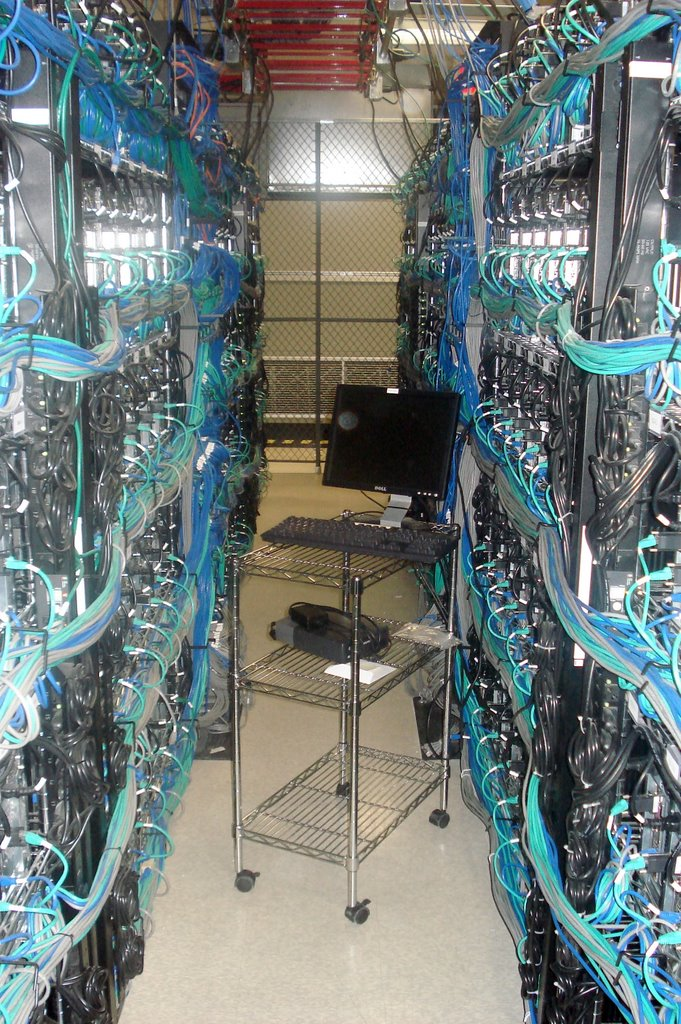
When I started my digital infrastructure career in the early 2000’s, I had a degree from Juilliard and a copy of “Linux for Dummies”. And yet, to my surprise and delight, I was able to participate mainly by showing up. In those days, a friendly neighborhood ISP might give you a quarter rack in a datacenter, lend you a switch, and carve off some IP space - all to help you get online.
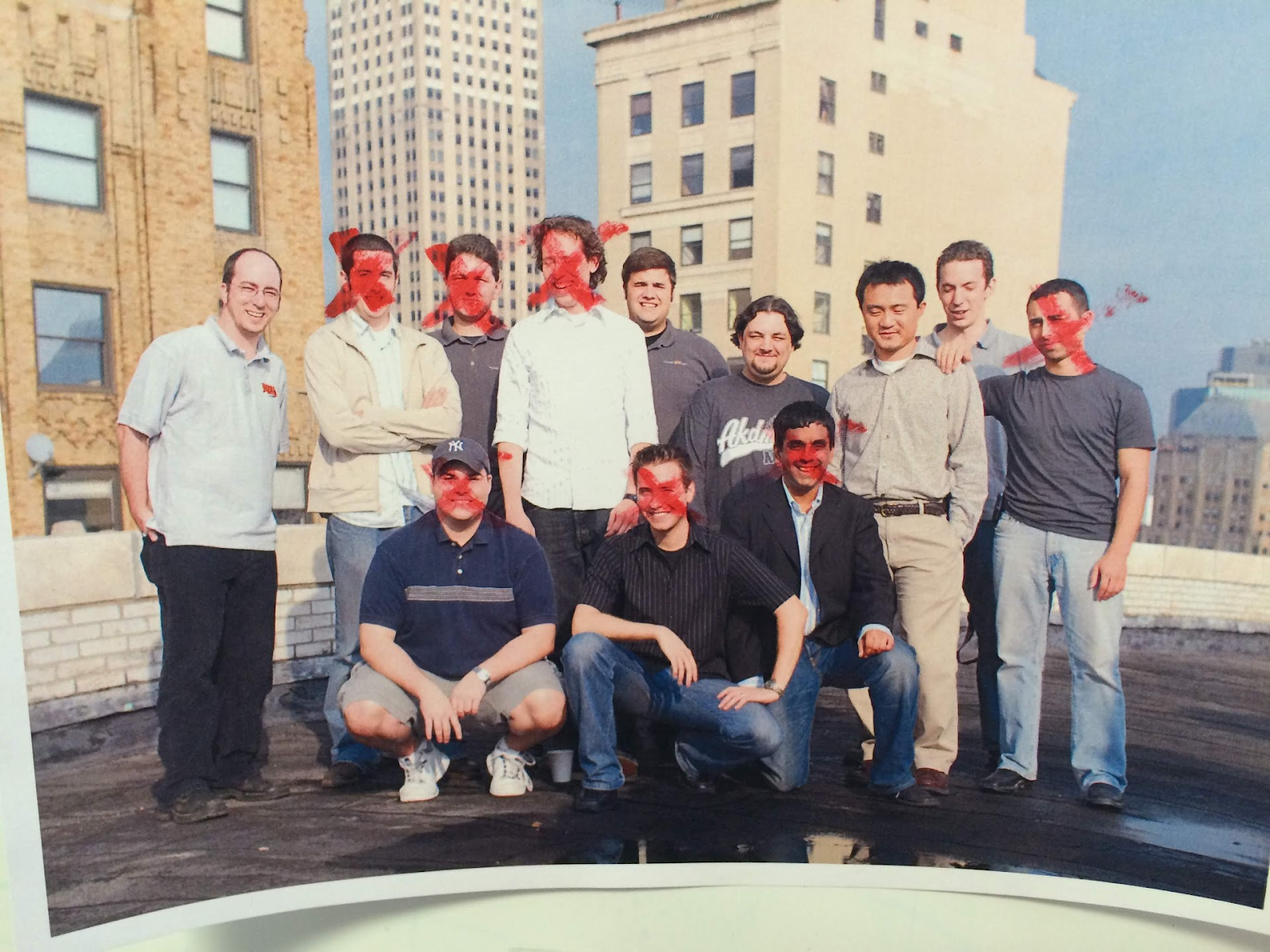
My hacking on the internet in 2002 with the Voxel crew included a copy of “Linux for Dummies.”
The equivalent today probably involves a discussion about megawatts and showing up in a dozen global cities with decently scaled infrastructure. This is at odds with the software world up above, which is breaking down barriers to entry at an incredible rate.
While it’s unlikely that today’s builders will earn their stripes scraping their knuckles on cage nuts and lighting up dark fiber, I’m heartened by the number of new builders that the AI wave has enticed into the lowest layers of infrastructure.
I think what’s next is obvious: we have to help them get online with their own global backbones, learn about deterministic routing, experience the joy of a private interconnection, and tap into peering. And yes, tackle BGP and DNS. The tooling will be API’s and MCP instead of cables and crash carts, but I’m confident that the next wave of builders will be helpful stewards of the internet if we invite them in.
Zac Smith is a lifelong infrastructure builder. He is currently the co-founder of Datum, a company working to help 1k clouds thrive in the AI era by unlocking internet superpowers for every builder.
The link has been copied!
Your link has expired. Please request a new one.
Your link has expired. Please request a new one.
Your link has expired. Please request a new one.
Great! You've successfully signed up.
Great! You've successfully signed up.
Welcome back! You've successfully signed in.
Success! You now have access to additional content.