

Welcome to Runtime! Today: Java creator James Gosling holds forth on what made Sun special, AI bubbles, and coders as artists; Anthropic and OpenAI keep the new models coming, and more.
Please forward this email to a friend or colleague! If it was forwarded to you, sign up here to get Runtime for free every week, or level up here.
First up: Strange days indeed
James Gosling would deserve serious consideration for inclusion on the equivalent of Mt. Rushmore for the people who shaped the modern tech industry, which is a topic for another newsletter. He sparked incredible change in the way software was developed at the outset of the dot-com boom with the creation of Java, and continued to influence the maturation of enterprise tech during a 26-year-career at Sun Microsystems.
But change is upon the software development community once again with the advent of AI coding agents, which either add a welcome layer of abstraction and productivity to the coding process (the charitable view) or crank out vast amounts of slop that becomes someone else's problem down the road (the less charitable view). Gosling leans toward the latter: "I’ve been using LLMs a bunch for coding, but I’ve never been happy with the code that comes out. I basically rebuild everything because it looks like crap," he told The Stack's Kiera Fields in a wide-ranging interview.
 Kiera Fields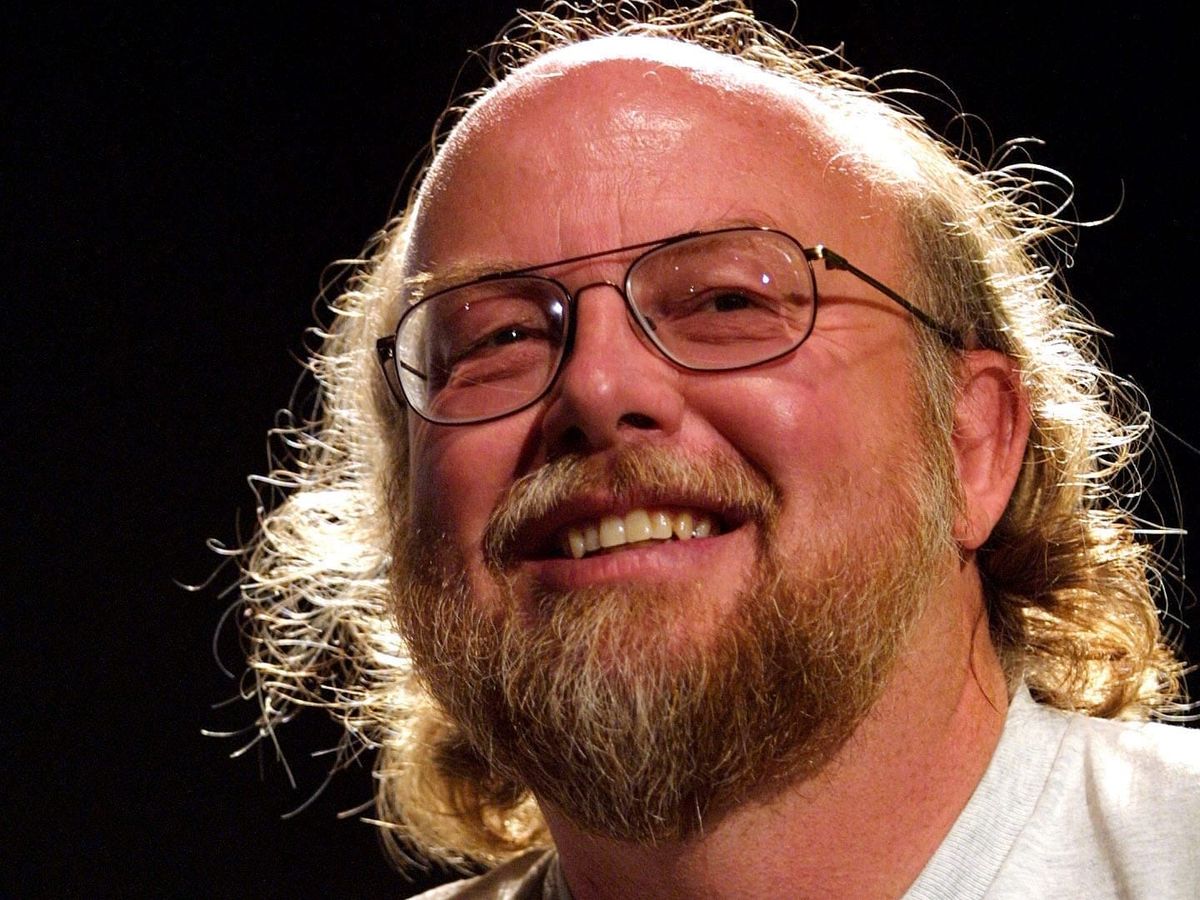
He does find LLMs useful for writing software using languages or frameworks that are new to him: "What’s hard to learn is all of the interfaces: How do you make a network connection? How do you make a database?" But he also sees elements of the dot-com bust in the current AI frenzy, from circular financing deals to top-down edicts that never land well with the engineering rank-and-file.
One of the existential dilemmas forced upon the software development world by AI coding agents is the realization that the profession might have shifted from a craftsperson's domain to something a little more factory-oriented. For Gosling, however, code can still be art: "In the case of software engineering, what makes pieces of code beautiful is: how clear are they? How easy to understand are they? Which often speaks to things like, how reliable are they? Or how maintainable are they?"
The rest of The Stack
Rotten phish: London's Metropolitan Police arrested two of the men behind the "EvilTokens" phishing-as-a-service operation, which probably should have gone with a different name. Microsoft's Digital Crimes Unit played a key role in the bust, which seized 50 websites belonging to the group that facilitated the sale of chatbots to other hackers looking for ways into Microsoft 365 accounts.
 Adam Hobart-Williams
Pulling rank: As somebody might have once said, build a better algorithm and the world will beat a path to your door. In this week's One to Watch, Noah Bovenizer spoke with Zoe Weill, CEO of Sequen and self-described "failed mathematician," on the company's "ranking intelligence."
 Noah Bovenizer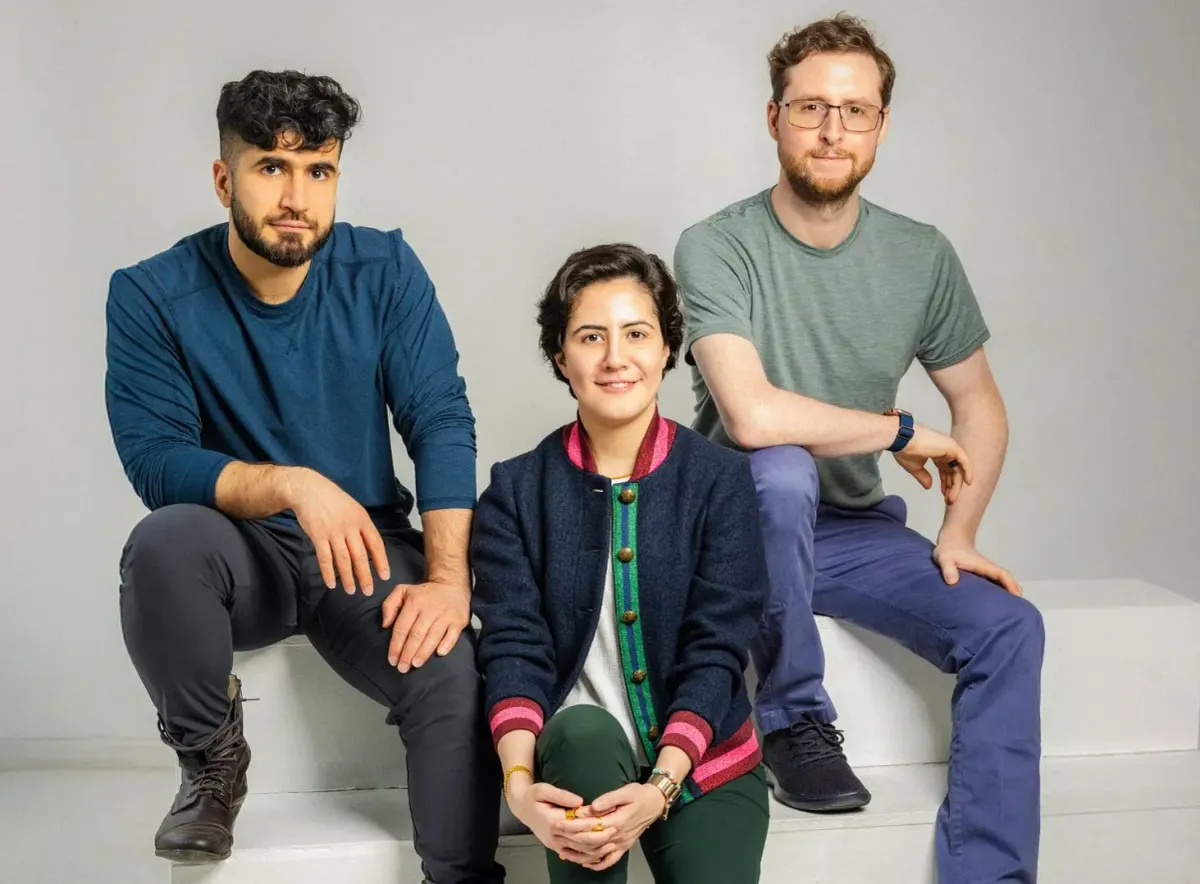
Model citizens: The most generous interpretation of Anthropic and OpenAI's decision to drop new models a day before telling the UN Security Council to help it rein in AI is that they were already in the can before everybody started freaking out about the impending AI-pocalypse a few weeks ago. Nevertheless, they persisted.
 Tom Krazit
It's a business, man: This week a dozen enterprise software and security companies formed The Blueprint Alliance, a group designed to encourage their fellow customers to adopt a common framework for building agents that will work across different tools. The goal is to make it easier to identify, monitor, and roll back agents as they operate, and will be easier said than done during the free-for-all that we're currently experiencing.
 Edward Targett
Now you tell us: At one point last year CISA threatened to starve the enormously important CVE program of its funding before finding a way forward, and now the agency has finalized realized the need goes in the other direction. Faced with the onslaught of new bugs and new patches thanks to security-minded LLMs, CISA now recommends "sustained investment" in the program in order to keep up.
 Noah Bovenizer
Stacked up: The week ahead
The SNIA Developer Conference kicks off in Santa Clara, Calif., on Monday, featuring speakers from across the storage and networking landscape.
OpenAI DevDay starts Tuesday in San Francisco, which would be a really funny time to drop the next big GPT model given the current tenor of the industry.
The AI Conference begins on Wednesday in San Francisco, featuring speakers such as "All You Need Is Attention" author Illia Polosukhin and data guru Ion Stoica.
Sifted Summit hits Shoreditch in London on Wednesday, with tracks focused around founders looking for growth and VCs looking for investments.
CoreWeave Fully Connected debuts in San Francisco on Wednesday, the first user conference hosted by the neocloud.
We're also reading:
Machine god metaphors eat your brain: Johns Hopkins Professor Henry Farrell tries to make sense of what we talk about when we talk about AI doom.
Thanks for reading — see you Saturday!