
Like its titular insect, CockroachDB can be found in some of the most demanding corners of modern IT infrastructure. Customers run the distributed SQL database as a hyperscale DBaaS, in their own VPCs under a burgeoning Bring Your Own Cloud (BYOC) model, on self-managed bare-metal x86 servers, and even on IBM Z mainframes; the result of a deep partnership with Big Blue.
The branding was intentional when former Google engineers Spencer Kimball, Peter Mattis, and Ben Darnell founded Cockroach Labs in 2015. The idea being a database engine built to be blast-resistant and virtually indestructible.
That promise has won over marquee enterprise clients with low tolerance for downtime, including Cisco, JPMorganChase, NVIDIA, and SpaceX. (As George Sherman, at the time Global Technology Infrastructure CIO at JPMorgan Chase, noted in 2021, CockroachDB provided "a modern database platform that accelerated our momentum toward cloud-first, resilient infrastructure.")
High praise from a big shop. Yet CockroachDB operates inside a crowded ecosystem. Between hyperscaler-managed DBaaS offerings, open-core and open-source challengers, and monolithic relational staples, enterprise buyers are inundated with marketing claims promising seamless elasticity, enterprise-ready security, multi-cloud readiness, and instant AI integrations.
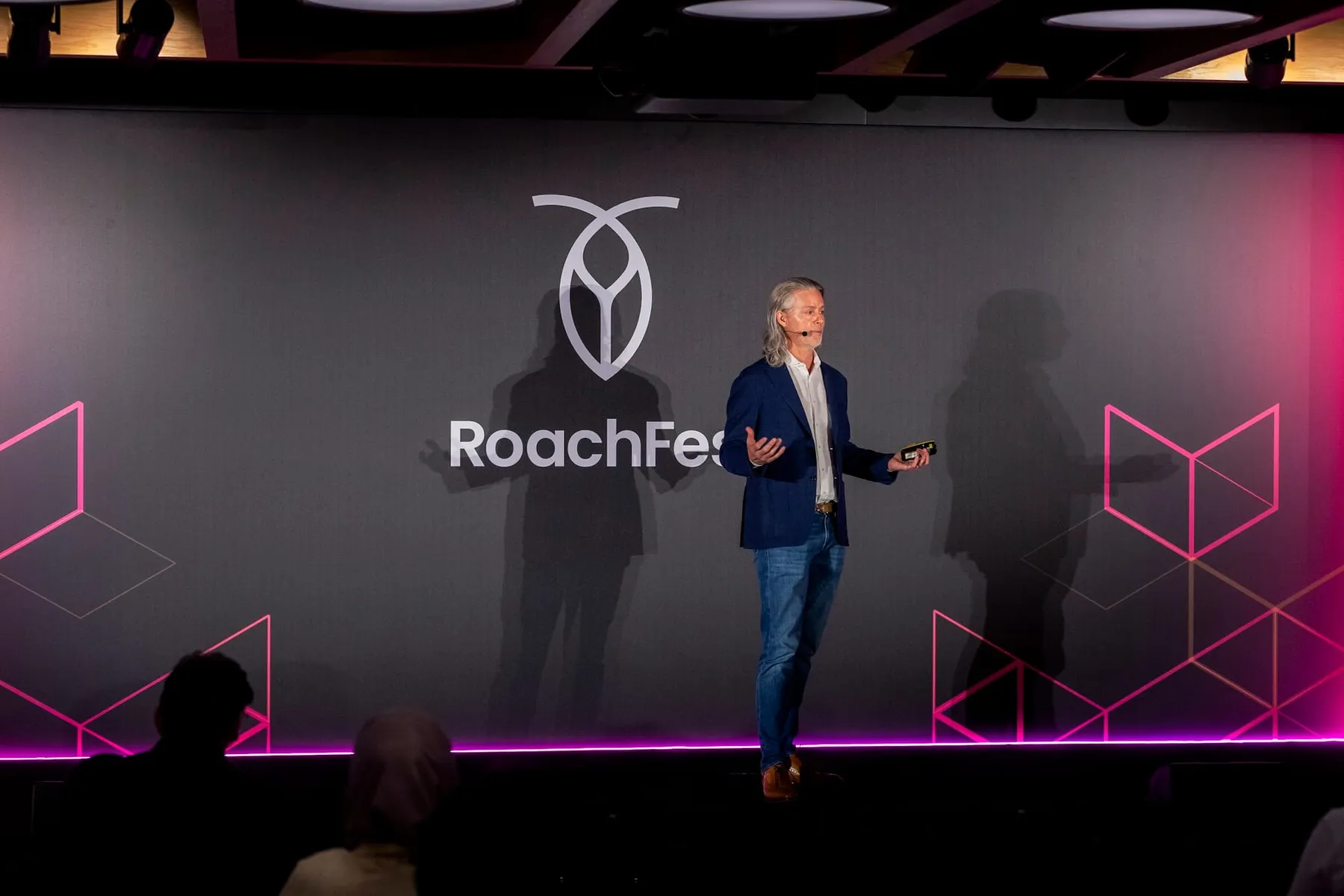
Speaking to The Stack at the company’s RoachFest conference in London, CEO Spencer Kimball appears unbothered by the noise. Cockroach Labs grew revenue by 50% last year, he reveals, while maintaining a headcount of roughly 500 staff. The firm hasn't needed nor wanted to raise venture capital in over five years and apparently has no plans to return to the market: "We have infinite runway," Kimball says. He declines to disclose exact ARR however.
Maintaining that trajectory, however, requires tackling a fundamental shift in workload dynamics: the explosive, unpredictable demands of agentic AI.
CockroachDB’s architecture at a glance.
CockroachDB is a cloud-native (AWS, Azure, and GCP) ACID-compliant, distributed SQL database built on a transactional key-value store.
- Storage & Range Splitting: Data is ordered continuously and partitioned into contiguous 64MB chunks called "ranges." As data grows, ranges split automatically into two sub-ranges, which are rebalanced across available cluster nodes using a peer-to-peer gossip protocol.
- Consensus & Availability: Range replicas maintain consistency via the Raft consensus algorithm. Disruption resilience relies on leader leases, buffered writes, and Write-Ahead Log (WAL) failovers to survive disk, node, or regional outages without data loss.
- Compatibility: Implements the PostgreSQL wire protocol and the vast majority of SQL syntax, allowing teams to leverage existing ecosystem tooling while running on a fully distributed architecture.
The agentic crunch and database economics
"We've always been an expensive database," Kimball admits freely.
That price tag was an acceptable trade-off for Fortune 500 enterprises running mission-critical, tier-zero financial transactions where a minute of downtime costs millions. But as autonomous AI agents move from experimental sandboxes to production APIs, database access patterns are shifting.
As engineering teams at GitHub and elsewhere have discovered, agentic workloads generate relentless, bursty, and unpredictable query traffic that can severely stress underlying storage tiers, irrespective of the flavour of DB.